No wasted river days
We choose difficulty on purpose to get something more out of our days on the water. What that more is, exactly, I’m still examining. Every hour spent on the river and out in the field, even when you don’t touch a fish, is never wasted.
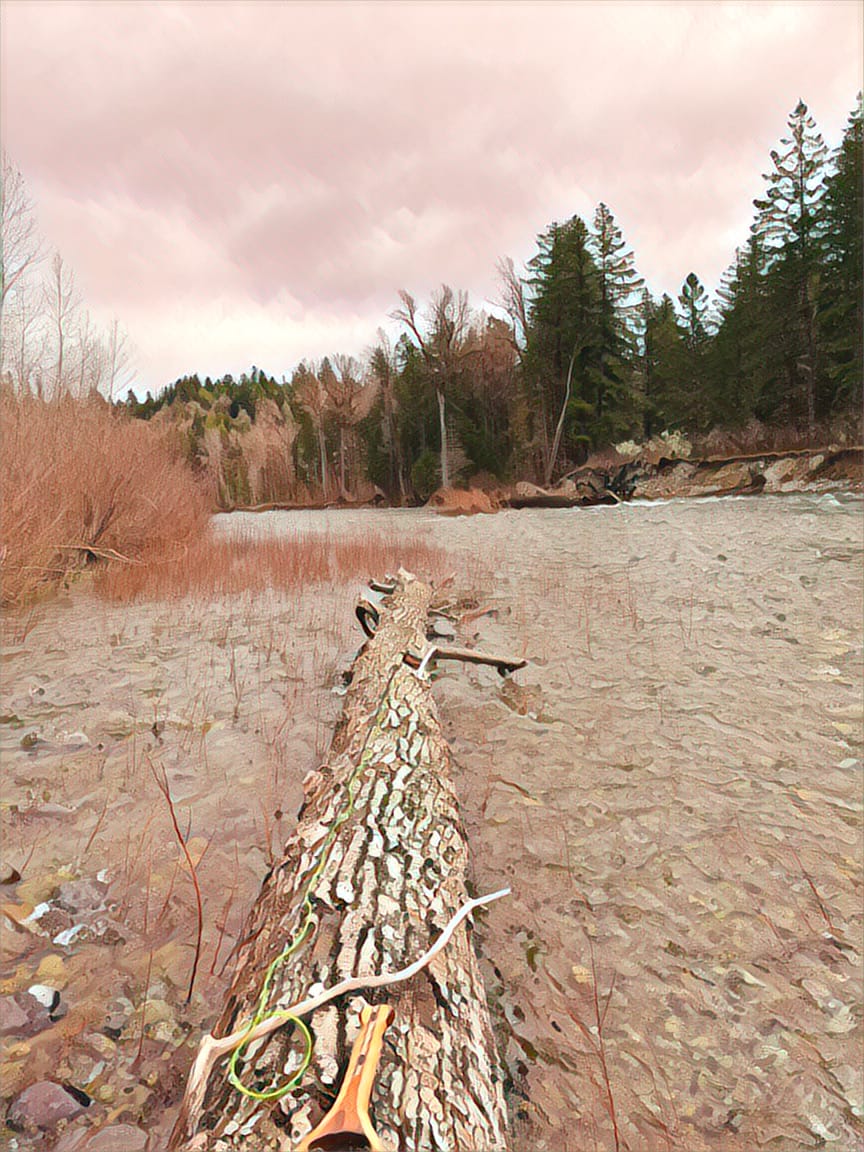
On Vancouver Island, winter doesn’t bring much snow, but it brings rain. Usually, a lot of it. This means our rivers blow out regularly, making them difficult, if not impossible to fish. If you’ve got access to a raft or drift boat, river access is less of a problem, but if you’re wading, like me, you’re usually out of luck.
Last Friday morning, I lay awake at 5:00 o’clock am, staring at the hydrometric graph for the Cowichan River on my phone, trying to decide whether to make the drive up to Duncan and kick off my winter steelheading season. The graph, though clunky and potentially inaccurate, suggested that the river's water level was dropping to a point where wading would be easier and safer. Toggling between Google, Reddit, and ChatGPT, I tried to assess whether an hour-and-a-half drive each way was worth it, while shielding the glow from my phone’s screen from my son’s eyes, who had again crawled into our bed around midnight.
At 5:20, I started to wonder if I was overthinking it (as we fly anglers do). Part of fishing is committing to the unknown and accepting you won’t really get the full picture until you’re standing at the river’s edge. Sure, preparation matters; checking the weather, temperature, tides, and water levels is just common sense. However, data only takes you so far; at some point, you’ve just got to get on with it.
But lying in the dark, the negotiation with myself continued:
You haven’t been fishing since Thanksgiving, when you caught the big Coho on the beach. That’s just embarrassing. You’re not a fisherman, you’re an opportunist.
But the water’s high, you won’t be able to wade. And, and…there may be snow on the Malahat!
Who cares? You’ve got snow tires, chains, and a shovel.
The river will probably be quiet, given the conditions.
Now you’re talking.And your basement just flooded from the rainstorm – you need a break from dealing with that stress.
True.Your gear is packed and ready to go.And the new two-hander…...Maybe we should go check it out.
Very quietly, I slipped out of bed, pulled on my thermal layer, and filled up my trusty Yeti mug with black coffee. I ate toast, heated soup for my thermos, and grabbed a couple of buns for lunch. There were already a couple of cold beers in the SUV (evidence that I knew deep down I’d be proceeding to the river this morning despite the mental gymnastics I just described above), so that piece was taken care of. I pulled out of the driveway thinking about my wife and son asleep in our warm bed, but I was glad to be on the road. In a few years, he’d be able to join me.
I’ve never found the drive up to the Cowichan River, or fishing, particularly lonely; in fact, the solitude is part of the draw. I’d like to tell you I do a lot of deep reflection when I’m out wading rivers and swinging intruders, but my mind is mostly occupied with reading the river, navigating the forest, and staying safe in the water. Jimmy Carter once wrote, “In the woods or on a stream, my concentration is so intense that for long periods the rest of the world is almost forgotten,” and I relate to that sentiment a lot. For me, clarity of mind comes from physical exertion and mental effort, not philosophy. Fly fishing reminds me of endurance running that way; your focus narrows so completely just trying to maintain your breath and speed, there’s no room for any other worry. For me, that’s how relaxation comes about, through work.
The drive to the river was calm, easy – no snow and little traffic. I put on a couple of fly-fishing podcasts focused on winter steelheading on the West Coast to get my mind going. Both hosts emphasized, many times, how much effort it takes to catch a steelhead on a swung fly. Indeed. Poor odds, few grabs, and even fewer fish landed. I knew this too well. Last year, I had two aggressive takes and one fish lost. That’s it. I probably made 12-15 trips to the river, each lasting 4-8 hours. The year before, I landed one small steelhead. I’ve yet to land a large steelhead, and I’ve been at it for a few years now. If that makes me a poor fly angler, so be it. But I know even top rods must invest countless hours each year before they bring a steelhead to hand that’s worth writing home about. What makes it more challenging is that steelhead returns on the Cowichan River are small, the river system is large, and access is limited. For a novice wading fly angler, the odds really are stacked against you. Last year, when I was visiting my local fly shop, the owner asked me how my last steelheading trip was. I replied, we had a grab. “So, pretty good,” he replied with a smile.
As I listened to the podcast hosts, I imagined their advice permeating my brain and wiring into my fingertips' muscle memory. I thought back to late March last year when I was swinging flies on a well-known run. I was cold and mentally checked out when a big fish hammered my fly at the bottom of the run; it had been sitting in a shallow riffle, not a deep pool. Instinctively, I lifted the rod tip up quickly and lost the fish. The fat fish cleared the water – thick and bright – jumping multiple times before it disappeared below me into another pool. It all happened so fast, just feet from me; I swear the beast made eye contact with me at one point as it dipped out of sight. This year would be different, I told my reflection in the rearview mirror.
I reached the pool around 7:30 am. The parking area was busy with guides unloading rafts and drift boats. I guess everyone else had been watching the water levels, too. Often, when the water level and discharge volume drop quickly after a blowout, steelhead get on the move. Falling water triggers a need to travel, and fish slide out of holding water. I nodded to a couple of familiar faces in the parking lot, but I mostly kept my head down as I pulled on my waders and rigged up my new-ish Echo “Full Spey” rod. I opted for my Airflow FIST 600-grain Skagit head with a piece of T-14. I didn’t need to see the river to know it was going to take some weight to get my flies down.
As I locked up my now very dirty car, I felt the familiar flutter of butterflies in my stomach and sweaty palms, even in the cold of winter. I always get this. Pure joy. Turning the last corner of the short gravel path, I caught the first glimpse of my home pool this year. No other anglers. They probably decided on a later start, hoping to increase their odds by waiting for the water temperature to rise. Good for them, but I needed to take the early shift this morning.
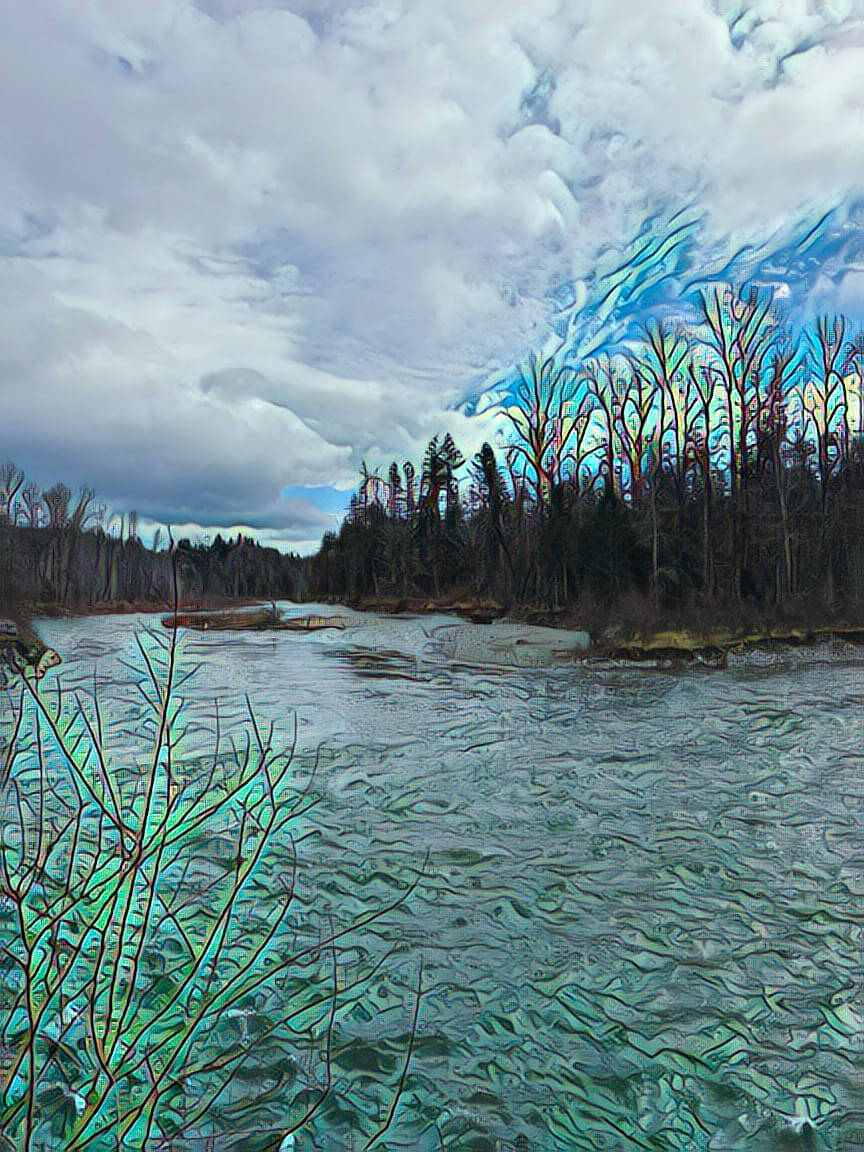
The water was still high, still fast, but the colour was good. Blue-green, not too clear. I tied on a pink and black Dirty Hoh and stepped into the water at the top of the run. My first few casts were short and timid, as they always are. No need to bomb the line way out there. My flies crawled into a slow swing after my first mend and immediately found the spindly, weedy trees that had grown up in the river. I lost three flies in the first hour. Unfortunately, a thick band of submerged vegetation had sprung up along the exact line where I needed to wade. Five years ago, I might have pushed past it and into deeper water; however, these days, I’m much more cautious, especially when I’m winter fishing. Having a child waiting at home changes the calculus, despite being a strong swimmer.
Despite nature’s obstacles, I did my best to cover the run; my swings were short, broken, and interrupted. I came to the river too early by a week to ten days, assuming it would stop raining at some point. If this run was marginal, it was highly likely my other spots would be too. Even if access was better, the water was probably moving too fast for a proper, slow swing. This river favours the floating angler, I thought to myself. Maybe Santa will bring me a raft next Christmas.
The remainder of the day turned into a reconnaissance mission.
I hit up another four spots, and they all presented the same limitations: deep water, limited access, and, as the day progressed, crowds. The conditions favoured anglers' fishing gear (i.e., floats), and that’s largely who I ran into. The fly guys appeared to be mostly sitting this one out. I ran into another fly fisherman named Greg when I was walking out of one run. He had some good tips and shared some useful information, which was nice of him. He hadn’t been in contact with any steelhead yet, but had landed a couple of browns the week before. He was fishing with an even heavier setup than I was, which gave me something to think about. We talked gear for a bit and wished each other luck. Greg looked like a guy who had caught a few steelhead.
By early afternoon, it was clear how the day would end. I walked back to my car around 2:30 pm after only meaningfully fishing for an hour or so the entire day. Peeling off my wet waders, sitting on the edge of my vehicle, I reminded myself that these types of days happen from time to time. The way I saw it, or tried to see it, was that the high water forced me to walk more, search out new access points, and find stretches of water that I’d usually skip over. I can be a bit lazy when it comes to that part of fishing, and the water conditions forced me out of my comfort zone. So, that was a win.
And beyond that pragmatic outcome, this type of challenging day reminded me of something else, something fundamental to the sport. As Mark Kurlansky puts it, “fly fishing is a contrarian conceit,” which I take to mean that fly fishing is a practiced, conscious rejection of the obvious and efficient approach to angling. We choose difficulty on purpose to get something more out of our days on the water. What that more is, exactly, I’m still examining. Every hour spent on the river and out in the field, even when you don’t touch a fish, is never wasted. There’s always something to be gleaned from venturing out of the comfort of your warm bed.