In defence of snuff
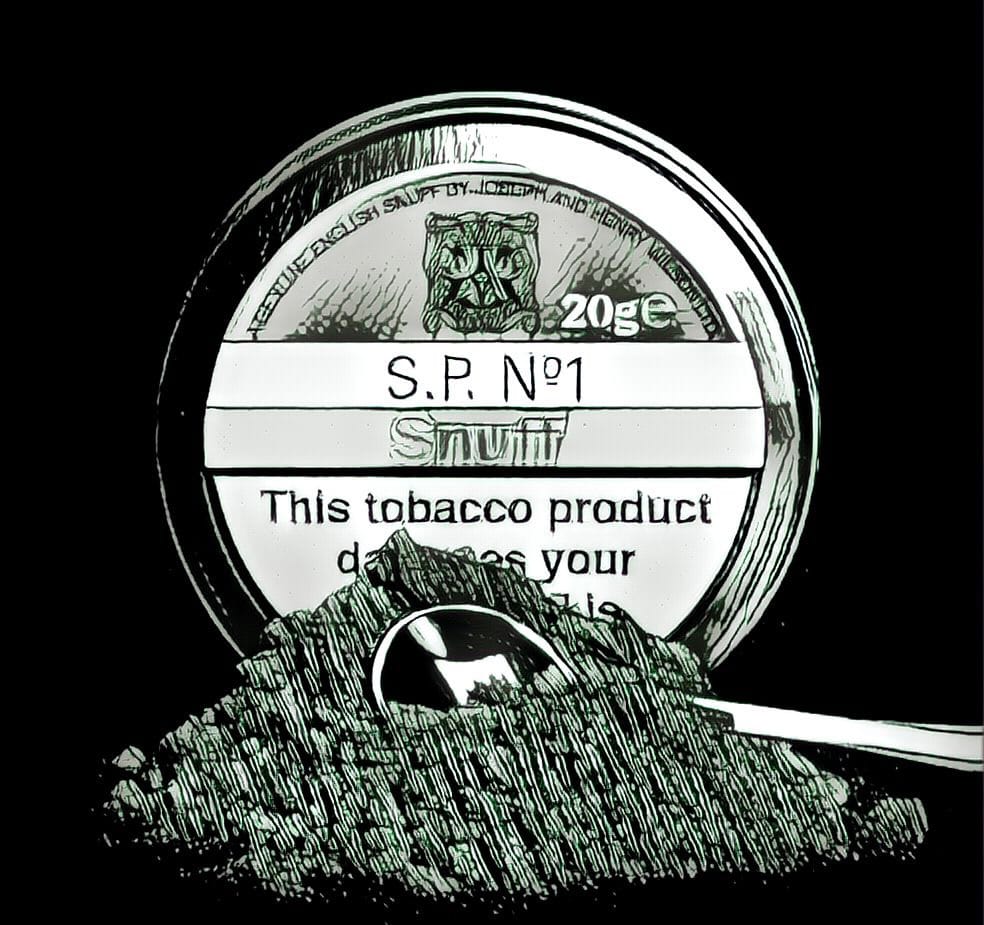
I don’t live a crazy life. I watch what I eat, I’m in bed by 9:30 most nights, and a wild night out is five pints instead of four. I’m on the road running five days a week, and I’d rather feel my lungs burn from too many miles than too much tobacco smoke. In other words, I’m boring. Risk-averse. You know, old.
I wasn’t always like this; I used to disregard the sensible and throw caution to the wind frequently. However, I decided several years ago that learning to temper one’s appetites for pleasure is an important skill to develop to increase the odds of living a longer life. You can’t go about half-cocked all the time, embracing every hedonistic activity that presents itself; well, not if you want to live past 50. At the same time, I’m not the guy drinking a Diet Coke at the pub on Friday night. In other words, I don’t believe in sacrificing your life for your health; in my worldview, indulging in pleasurable activities that may not be entirely good for you is just as important as that marathon I signed up for the other night.
Indulgences (vices, if you want to be really dramatic) are a necessary component of a full life, and you don’t owe anyone a justification for yours. Some people collect expensive whiskey, some smoke the odd Cuban, and still others vape flavoured clouds from weird-looking digital metal pipes. I partake in all of the above activities from time to time, but they fall short of the deeper satisfaction to be gained from the 18th-century gentleman’s habit known to satisfy the most discerning of hedonistic appetites. I’m talking about snuff.
And by the way, I wish it had a better name, but it’s what we’re stuck with. Snuff is dried tobacco powder, usually infused with herbs and other additives (none of them good for you), that you sniff into your nostrils, thereby introducing the nicotine directly into the bloodstream. The result is a fast nicotine buzz and a pleasant light-headed sensation. Snuff is perfectly legal in North America and relatively harmless when consumed in small amounts (that’s the story I tell myself, anyway).
I first tried snuff when an old friend brought several boxes of it home from a trip to Switzerland. I was at a Gastown pub for pints with a group of friends, and John pulled from his pocket several small black and blue plastic boxes with German lettering across their fronts. “This is what my dad’s friends do back home,” he said. “It’s safer than smoking — no combustion — no impact to the lungs.” I’m not sure about that, I replied, but I was intrigued about consuming tobacco so pragmatically and without the need to pop outside the bar into the cold December air to get a nicotine fix.
“Tap a little bit of it onto the back of your hand and sniff it up both nostrils,” he directed the group and me. We did as we were told. I was worried about what the girls sitting across from us at the bar would think. To the uninformed, snuff use appears to be a ritualistic performance commonly witnessed in dive bar washrooms and swanky joints alike. Ah, to hell with what they think, I thought. I reminded myself it was only tobacco and took a gentle sniff of the black powder while my friends looked on, waiting for my big reaction.
I expected my nostrils to burn as the tobacco travelled into my nasal cavity, but the snuff hitting my mucous membrane wasn’t unpleasant at all. But there was a very distinct feeling, and it’s difficult to describe. Somehow, I could taste raspberries on my tongue, the flavor of this particular box of snuff, and I had a light-headed sensation that didn’t feel dangerous. Despite these tingly, good sensations, images of cancer patients with their faces eroding away due to long-term tobacco use flooded my mind. Anti-tobacco posters were plastered everywhere in my high school, and these pictures still haunt me. As I took another gulp of beer, I decided I’d enjoy the experience tonight and look into the health effects of this strange European powder tomorrow while I recovered at home.
The next day, my internet sleuthing turned up a bunch of interesting facts about the herb-infused, black powder. It’s thought that snuff use originated in Central and South America and was later brought to Europe by the Spanish. It became popular in Europe in the seventeenth century, spreading from France to Scotland. By the eighteenth century, snuff use was common worldwide amongst both men and women, with ornate snuff boxes becoming prized objects of art and social status. In those days, snuff-taking was considered sophisticated, especially among the upper classes, and using it was a sign of cultured manners. Today, of course, people’s perception of tobacco use is the opposite: its use is largely associated with cancer, addiction, and social stigma rather than refinement. Apparently, some 18th and 19th-century moralists criticized snuff use as a frivolous indulgence and a form of vanity; maybe that’s why I like it.
Snuff is, admittedly, a frivolous indulgence with real health impacts. It’s a bit eccentric, and I’ve noticed using it in public can make people uncomfortable, which to me, on some level, is part of its appeal. There’s something interesting to me about how a mostly harmless, slightly strange habit can unsettle people. I suppose we’re living in a time when many people are anxious, hyper-focused on self-improvement, and constantly trying to optimize themselves, so even the smallest indulgence or vice feels out of place. The rise of de-alcoholized beer, SPF 100 lifestyles, and the cult of constant improvement are all evidence of a culture scared to let itself live a little — to indulge.
At the same time, snuff is kind of gross and not for everyone. It’s bad for your body. It doesn’t take a genius to realize that sniffing tobacco and various chemicals up your nose doesn’t bode well for your health. I’m not going to dive into a discussion of the research linking snuff to various types of cancer, including pancreatic — you can do that on your own time. The point of this essay, if you’ve missed it, is to suggest that pleasurable indulgences, even the physically harmful ones, are okay to engage in, once in a while. We need these indulgences to counteract our strict health, work, and personal development routines. Snuff and similar activities feel old, analog, and traditional. In a digital world obsessed with perfect health and productivity, sometimes the most radical act is a small, pointless, slightly harmful pleasure.